
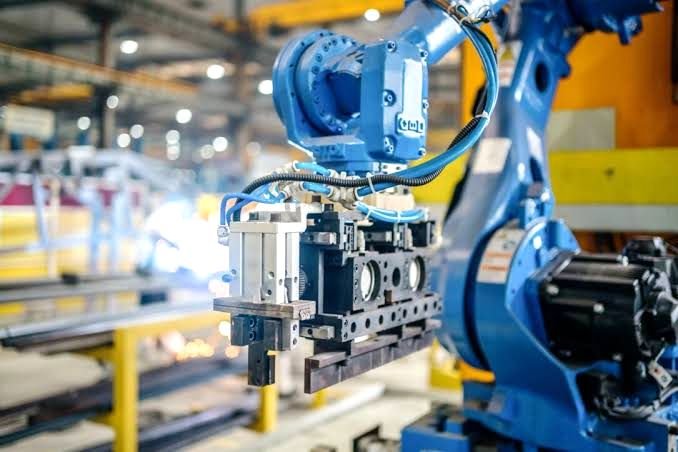
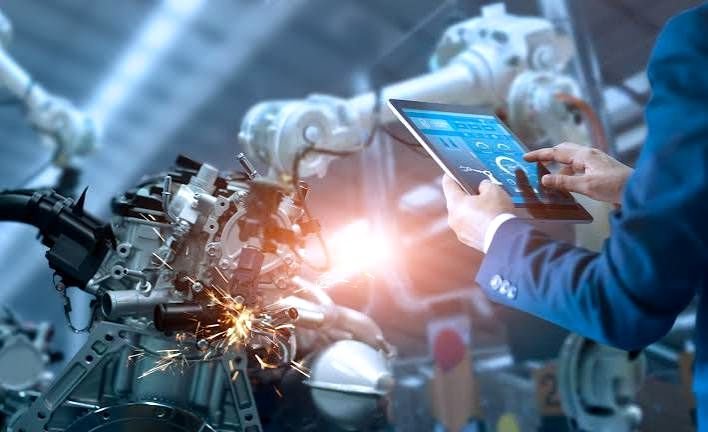
Fragmented Industrial Data Is Blocking the Next Generation of Factory Automation
Industrial Automation Is Entering a Data-Driven Transformation Era
The industrial automation industry is moving toward autonomous factories, intelligent production systems, and AI-driven operations. Manufacturers now expect machines, control systems, and enterprise platforms to work together with minimal human intervention.However, many companies still struggle to scale these technologies across entire plants. The main barrier is not a lack of automation hardware or artificial intelligence capability. Instead, fragmented industrial data prevents organizations from building a complete operational view.Modern factories generate enormous amounts of information from PLCs, DCS platforms, SCADA systems, sensors, robots, and enterprise software. Yet, this data often remains isolated inside separate systems. Therefore, manufacturers cannot fully use data analytics or AI to improve production performance.From years of experience working with industrial automation projects, I have found that successful digital transformation depends less on adding new devices and more on creating a unified data architecture.Fragmented Data Limits AI Applications in Manufacturing
Industrial AI requires consistent, structured, and accessible information. Unfortunately, many factories still operate with disconnected automation environments.For example, a production line may use PLC systems for machine control, a DCS platform for process management, and separate maintenance software for asset information. These systems often use different data formats, naming methods, and communication structures.As a result, AI applications can only analyze limited sections of the operation. They may identify problems inside one machine or process area, but they cannot understand the complete production environment.Moreover, many older industrial facilities rely on legacy control systems installed decades ago. These systems continue to perform well but were not designed for modern data integration requirements.A strong industrial data foundation must connect existing control systems with modern analytics platforms. This approach allows manufacturers to protect previous investments while enabling future automation upgrades.PLC, DCS, and Control Systems Need Better Data Integration
The traditional automation architecture includes PLCs, DCS platforms, SCADA systems, and field instrumentation. These technologies remain fundamental for factory automation and process industries.PLCs continue to provide fast machine control for discrete manufacturing applications. Meanwhile, DCS platforms manage complex continuous processes in industries such as oil and gas, chemicals, power generation, and pharmaceuticals.However, the value of automation is gradually moving beyond the control layer. Manufacturers increasingly focus on collecting, organizing, and analyzing operational data.Industrial communication standards such as OPC UA, MQTT, PROFINET, EtherNet/IP, and industrial edge computing platforms help connect different automation environments.Therefore, companies should not replace every existing control system. Instead, they should build a flexible data layer that connects PLC, DCS, and enterprise applications.In practical projects, this strategy often reduces implementation risks and provides faster returns compared with complete system replacement.Software-Defined Automation Is Changing the Industrial Value Chain
The industrial automation market is experiencing a significant shift. Traditional hardware-based control systems are becoming increasingly standardized, while software and data platforms are gaining strategic importance.Leading automation suppliers are investing heavily in digital platforms and industrial software ecosystems.For example, Schneider Electric expanded its software capabilities through the acquisition of AVEVA. This move strengthened its position in asset lifecycle management, industrial data platforms, and software-driven automation.Similarly, Siemens continues to develop its industrial digital twin strategy by combining engineering data, simulation technologies, and artificial intelligence.In addition, Emerson Electric has increased its focus on industrial software through its investment in Aspen Technology.These strategies show a common industry direction: automation companies are moving upward from hardware control toward software intelligence and data services.Industrial AI Requires Standardized Operational Data
Artificial intelligence can improve manufacturing efficiency, but only when it receives high-quality industrial data.A factory may collect thousands of signals from vibration sensors, temperature transmitters, motor drives, protection relays, and control modules. However, inconsistent naming and incomplete asset information reduce the value of this data.For example, one plant may identify a pump vibration signal as “P-101_VIB,” while another system records the same asset as “Pump01_Vibration.” AI systems cannot easily combine these datasets without proper standardization.Therefore, manufacturers need industrial data models that define assets, signals, relationships, and operating conditions.Standards such as ISA-95, OPC UA information models, and asset management frameworks provide important foundations for this process.From an engineering perspective, data governance has become as important as hardware selection in modern automation projects.Industrial Automation Companies Are Investing in Digital Platforms
The global automation industry is investing billions of dollars to capture the growing value of industrial software.Major automation suppliers recognize that future competitiveness depends on connecting physical assets with digital intelligence.The control system remains important, but the industry is expanding toward:- Industrial IoT platforms
- Digital twins
- Edge computing
- Predictive maintenance
- AI-based optimization
- Cloud-connected asset management
- A clear automation architecture.
- Standardized industrial data.
- Skilled engineering teams.
Factory Automation Requires a Balanced Modernization Strategy
Many manufacturers face a difficult decision: replace existing automation systems or integrate them into new digital platforms.In most cases, a gradual modernization strategy provides better results.For example, a factory can maintain existing PLC and DCS equipment while adding industrial gateways, edge computing devices, and centralized data platforms.This method reduces production downtime and allows engineers to upgrade systems step by step.Moreover, experienced automation teams can identify which assets require immediate improvement and which systems can continue operating safely.The future factory will not depend on replacing every traditional control system. Instead, it will combine proven automation technology with intelligent data management.Application Scenario: Building an Intelligent Manufacturing Data Platform
A global process manufacturer recently faced challenges caused by isolated automation systems.The plant operated multiple PLC networks, a DCS platform, and independent maintenance databases. Engineers spent significant time collecting information manually before analyzing equipment performance.The company implemented an industrial data platform that connected control systems, field devices, and enterprise software.The solution included:- PLC and DCS data integration through industrial communication protocols.
- Edge devices for real-time data processing.
- Asset data models for equipment identification.
- AI analytics for predictive maintenance.
Expert View: Data Infrastructure Will Define the Next Automation Competition
The next generation of industrial automation competition will not only focus on faster controllers or smarter sensors.The key advantage will come from organizations that can transform industrial data into operational knowledge.PLC, DCS, and control systems will continue supporting manufacturing operations. However, their future value will increasingly depend on how effectively they connect with software platforms and AI technologies.Manufacturers that build strong data foundations today will have greater flexibility in adopting future automation technologies.The industrial automation market is moving from hardware-centered control toward data-driven intelligent operations. Companies that understand this transition will lead the next phase of factory transformation.
Honeywell or Rockwell Automation? Which Industrial Automation Giant Is Better Positioned for 2026 Growth
Industrial Automation Market Outlook: Honeywell and Rockwell Compete for Future Growth
The global industrial automation market continues to expand as manufacturers invest in smarter factories, digital transformation, and energy-efficient operations. Companies increasingly adopt PLC, DCS, industrial software, and advanced control systems to improve productivity and reduce operating costs.Honeywell Technologies and Rockwell Automation remain two major players in this market. Both companies provide automation solutions for process industries, manufacturing plants, infrastructure projects, and energy applications. However, their growth paths differ because they focus on different industrial segments.From an industrial automation perspective, Honeywell has stronger exposure to process automation and building technologies. Meanwhile, Rockwell Automation maintains a stronger position in discrete manufacturing, factory automation, and smart production systems.For investors evaluating industrial technology stocks in 2026, comparing their fundamentals, market demand, and automation strategies provides valuable insight.Honeywell Industrial Automation Business: Strengths and Market Opportunities
Honeywell continues to benefit from increasing demand for automation solutions across commercial buildings, industrial facilities, and energy projects. The company supports customers with control systems, industrial measurement technologies, safety solutions, and process automation platforms.The Building Automation segment shows strong momentum. Growing construction activity in North America, India, and the Middle East creates new opportunities for smart building control systems. In addition, rising investment in data centers and healthcare facilities supports demand for automation equipment.During the second quarter, Honeywell’s Building Automation business achieved 9% organic revenue growth compared with the previous year. The result reflects stronger project activity and increased adoption of intelligent building technologies.The Industrial Automation segment also performed positively. Higher demand for sensing products and industrial measurement solutions helped drive organic revenue growth of approximately 4% year over year.From an engineering perspective, Honeywell benefits from decades of experience in process control environments. Its automation technologies support industries such as oil and gas, chemicals, refining, and power generation, where DCS platforms and safety systems remain essential components.Honeywell Process Automation Challenges: Pressure on Growth and Margins
Although Honeywell maintains a strong industrial position, its Process Automation and Technology segment faces short-term challenges.The segment reported a 1% organic revenue decline in the second quarter of 2026 after a 6% decline in the first quarter. Lower aftermarket activity, especially reduced refining catalyst shipments, affected overall performance.However, new LNG projects and industrial automation investments provide future growth opportunities. Energy companies continue to modernize facilities with advanced control systems, remote monitoring platforms, and digital optimization tools.Honeywell also faces cost pressure. Rising production expenses and operating costs reduced profitability during the period. The company’s total cost of sales increased year over year, while operating margins declined.In my experience working with industrial automation systems, process industries usually recover slowly after investment cycles weaken. Customers often delay large DCS upgrades but continue investing in maintenance, cybersecurity, and operational improvements.Therefore, Honeywell’s near-term performance depends heavily on the recovery of process industries and large automation projects.Honeywell Portfolio Restructuring: Impact of Aerospace Separation
Honeywell recently completed a major corporate restructuring strategy. The company separated its Aerospace Technologies business and created independent public companies.The restructuring aims to simplify operations and allow each business unit to focus on its core market opportunities.In addition, Honeywell completed the sale of its warehouse and workflow solutions business. These actions may improve strategic focus, but they could also affect short-term financial comparisons.For industrial automation customers, the key question remains whether Honeywell can accelerate investment in its automation portfolio. Areas such as industrial software, connected control systems, and digital process optimization will determine future competitiveness.Rockwell Automation Growth Strategy: Strong Position in Factory Automation
Rockwell Automation continues to benefit from strong demand in manufacturing automation. The company specializes in PLC systems, industrial networks, motion control, factory software, and smart manufacturing solutions.Unlike Honeywell’s stronger process industry exposure, Rockwell focuses heavily on discrete and hybrid manufacturing markets. These include automotive, semiconductor, food and beverage, life sciences, and warehouse automation.The company reported strong demand across multiple industrial sectors. Automotive customers continue upgrading production lines, while semiconductor manufacturers increase investment due to artificial intelligence and data center expansion.Rockwell’s e-Commerce and Warehouse Automation business also remains a major growth driver. Many companies prefer upgrading existing warehouses instead of building completely new facilities.This trend creates demand for PLC-based control systems, industrial Ethernet networks, robotics integration, and manufacturing execution systems.Rockwell Automation Technology Advantages in Smart Manufacturing
Rockwell has built a strong reputation in factory automation through its Allen-Bradley PLC platforms, industrial control systems, and digital manufacturing solutions.Modern factories increasingly require integrated automation architectures. These systems combine PLC controllers, industrial communication networks, robotics, sensors, and cloud-based analytics.Rockwell’s ecosystem supports manufacturers moving toward Industry 4.0 strategies. Customers can improve production visibility, predictive maintenance, and operational efficiency through connected automation platforms.Moreover, Rockwell continues expanding its automation solutions for life sciences and food production industries. These sectors require strict process control, traceability, and regulatory compliance.Based on industrial project experience, manufacturers often select Rockwell solutions when they need flexible factory automation platforms with strong local support networks.Rockwell Automation Financial Outlook: Pricing Strategy and Market Risks
Rockwell continues improving profitability through productivity programs and pricing strategies. The company expects pricing adjustments to offset tariff impacts during fiscal 2026.Management raised its fiscal 2026 sales growth outlook, supported by stronger demand across key industries. The company also increased its adjusted earnings forecast.However, challenges remain. The Lifecycle Services segment continues experiencing weaker demand because some customers delay large capital projects.Many manufacturers currently prioritize smaller modernization projects rather than complete factory expansions. Therefore, automation suppliers must provide scalable solutions that deliver measurable returns.Rockwell’s ability to combine hardware, software, and lifecycle services will determine its long-term competitiveness.Honeywell vs Rockwell Automation: Industrial Automation Investment Comparison
From an industrial technology perspective, both companies have attractive long-term opportunities. However, their strengths come from different automation markets.| Category | Honeywell Technologies | Rockwell Automation |
|---|---|---|
| Main Market | Process automation, building automation, industrial measurement | Factory automation, PLC, manufacturing systems |
| Key Industries | Oil and gas, chemicals, energy, infrastructure | Automotive, semiconductor, food, life sciences |
| Automation Strength | DCS, safety systems, process control | PLC, motion control, smart manufacturing |
| Growth Driver | LNG projects, building technology, industrial measurement | Factory upgrades, digital manufacturing, AI-related investment |
| Main Challenge | Process automation slowdown and margin pressure | Weak lifecycle service demand |
Industrial Automation Industry Trend: PLC, DCS, and Digital Transformation
The competition between Honeywell and Rockwell reflects a larger industry transformation.Industrial customers are moving beyond traditional automation upgrades. They now require integrated solutions combining PLC controllers, DCS platforms, industrial cybersecurity, cloud analytics, and artificial intelligence.Process industries continue improving DCS systems for safety, efficiency, and regulatory compliance. Meanwhile, manufacturers invest heavily in flexible factory automation and robotics.The future industrial automation market will favor companies that successfully combine hardware expertise with software capabilities.Both Honeywell and Rockwell understand this trend. However, Rockwell currently has stronger momentum in smart factory applications, while Honeywell remains highly competitive in process industries.Industrial Automation Application Examples: Real-World Deployment Scenarios
Oil and Gas Process Control Systems
Energy companies use Honeywell automation platforms for refinery control, LNG processing, and safety instrumented systems. These applications require stable DCS operation, advanced monitoring, and reliable process optimization.Automotive Smart Factory Automation
Automotive manufacturers use Rockwell PLC systems, industrial networks, and motion control technologies to improve production flexibility. These solutions support robotic assembly, quality inspection, and production scheduling.Semiconductor Manufacturing Automation
Semiconductor plants require precise environmental control, high equipment availability, and advanced factory automation. Both companies support this market through industrial control technologies and digital solutions.Final Analysis: Rockwell Automation Shows Stronger Near-Term Upside
Honeywell remains a respected industrial automation company with extensive process control experience and a broad technology portfolio. However, challenges in process automation demand and recent restructuring create short-term uncertainty.Rockwell Automation benefits from stronger manufacturing investment trends, especially in automotive, semiconductor, warehouse automation, and smart factories.For investors seeking exposure to industrial automation growth, Rockwell currently presents a more favorable outlook due to stronger demand visibility and better alignment with factory digitalization trends.However, industrial automation markets remain cyclical. Long-term success will depend on innovation, customer adoption, and the ability to deliver integrated PLC, DCS, and digital control solutions.
Rockwell Automation and the Future of Industrial Automation: How PLC, AI, and Smart Factory Technologies Are Driving the Next Industrial Revolution
Rockwell Automation’s Role in the New Era of Industrial Automation
Rockwell Automation remains one of the most influential companies in the global industrial automation market. The company focuses on helping manufacturers build smarter, connected, and more efficient production environments through PLC, control systems, industrial software, and digital transformation solutions.As factories face rising labor costs, supply chain uncertainty, and increasing demand for production flexibility, industrial automation has become a strategic priority. Rockwell Automation combines hardware platforms, software ecosystems, and industrial services to support manufacturers moving toward smart manufacturing.From a technical perspective, the next industrial revolution is not only about replacing manual operations with machines. Instead, it focuses on connecting production equipment, collecting industrial data, and applying analytics and artificial intelligence to improve decision-making.Industrial Automation Market Growth Creates New Opportunities
The global industrial automation market continues to expand as manufacturers invest in factory modernization. Technologies such as PLC systems, DCS platforms, industrial IoT, and advanced control systems are becoming important components of modern production facilities.Rockwell Automation benefits from this long-term industry trend because its solutions cover multiple layers of industrial architecture. These layers include field devices, controllers, supervisory software, manufacturing execution systems, and enterprise-level analytics.Moreover, many industries are upgrading aging automation infrastructure. Manufacturers in automotive, pharmaceutical, energy, and logistics sectors increasingly require flexible control systems that can improve productivity while reducing operational risks.Based on years of industrial automation experience, successful digital transformation depends on practical integration between existing equipment and new technologies. Companies cannot achieve smart manufacturing simply by installing software. They need reliable PLC control, industrial networking, data management, and skilled engineering support.AI and Industrial Software Are Changing Factory Operations
Rockwell Automation has increased its focus on software-driven industrial solutions. The company is expanding beyond traditional automation hardware by integrating artificial intelligence, cloud platforms, and industrial analytics into its product ecosystem.Solutions such as FactoryTalk software platforms help manufacturers monitor production data, analyze equipment performance, and optimize factory processes. With AI assistance, engineers can improve programming efficiency, identify abnormal operating conditions, and reduce troubleshooting time.In addition, digital twin technology has become an important development direction. Digital twins allow engineers to create virtual models of machines or production lines before physical implementation.This approach helps manufacturers test control logic, simulate production processes, and reduce commissioning time. For large industrial projects, digital simulation can significantly improve project efficiency and reduce engineering costs.However, AI adoption in industrial environments requires careful implementation. Unlike consumer applications, industrial systems must meet strict requirements for safety, availability, and cybersecurity.PLC, DCS, and Control Systems Remain the Foundation of Smart Manufacturing
Although artificial intelligence attracts significant attention, traditional automation technologies remain the foundation of industrial operations.PLC systems continue to control manufacturing equipment, packaging lines, robotic systems, and process machinery. Rockwell’s Allen-Bradley PLC platforms are widely used in discrete manufacturing applications where fast control response and flexible programming are required.Meanwhile, DCS solutions remain important in continuous process industries such as oil and gas, chemical processing, and power generation. These industries require stable process control, advanced monitoring, and high system availability.Therefore, the future industrial automation architecture will not replace PLC or DCS systems. Instead, it will combine automation controllers with industrial software, edge computing, and AI technologies.This integrated approach allows factories to move from traditional automation toward intelligent operational management.Key Industrial Sectors Driving Rockwell Automation Growth
Several industries are accelerating investments in automation technology. These sectors provide long-term opportunities for Rockwell Automation and other global automation suppliers.The logistics and warehouse automation sector continues to grow rapidly because companies need faster and more accurate material handling systems. Automated storage, robotics, and industrial control systems help companies improve distribution efficiency.The pharmaceutical and life sciences industries are also increasing automation investment. Manufacturers require precise process control, electronic documentation, and regulatory compliance. Industrial automation systems help improve production consistency and quality management.Energy infrastructure represents another important growth area. As power demand increases from data centers and industrial facilities, companies require advanced monitoring and control solutions. Automation technologies support energy management, equipment monitoring, and operational optimization.Software-Based Revenue Model Improves Long-Term Value
Rockwell Automation is gradually shifting from a hardware-focused business model toward software and recurring service solutions.Traditional automation suppliers mainly generated revenue from controllers, hardware modules, and engineering projects. However, modern industrial customers increasingly require continuous software updates, analytics services, cybersecurity solutions, and lifecycle support.This transformation creates more stable revenue opportunities. Software platforms also allow automation suppliers to maintain long-term relationships with industrial customers.From an industry viewpoint, this strategy reflects a broader change among automation companies. Siemens, ABB, Schneider Electric, Emerson, and Honeywell are also investing heavily in industrial software and AI capabilities.Competition will continue increasing because automation companies are competing not only on hardware performance but also on digital ecosystems.Competitive Pressure in the Industrial Automation Industry
Rockwell Automation operates in a highly competitive global market. Major competitors include Siemens, ABB, Schneider Electric, Emerson, and Honeywell.These companies are developing similar strategies by combining automation hardware with industrial software platforms.Siemens focuses on industrial digitalization through its automation portfolio and Industrial Edge technologies. ABB continues expanding robotics, process automation, and digital energy solutions. Schneider Electric emphasizes industrial energy management and automation integration.Therefore, Rockwell must continuously improve software capabilities, cybersecurity solutions, and global customer support.The industrial automation market rewards companies that can combine engineering expertise with digital innovation. Strong hardware alone is no longer enough.Challenges and Risks Facing Rockwell Automation
Despite strong industry demand, Rockwell Automation faces several challenges.First, industrial automation investment depends heavily on economic conditions. When manufacturers reduce capital spending, automation projects may experience delays.Second, competition from global automation leaders creates pricing pressure. Companies must continue investing in research and development to maintain technological advantages.Third, industrial cybersecurity has become a major concern. As factories connect more devices through industrial networks, protecting PLC systems, SCADA platforms, and production data becomes increasingly important.Manufacturers now expect automation suppliers to provide not only control solutions but also secure digital infrastructure.Future Outlook: Building Intelligent and Connected Factories
The next stage of industrial development will focus on intelligent factories that combine automation, data, and artificial intelligence.Rockwell Automation is positioned to benefit from this transformation because it provides solutions across factory automation, PLC control, industrial software, and digital services.However, success will depend on practical execution. Industrial customers need solutions that deliver measurable improvements in productivity, quality, safety, and operational efficiency.Based on real-world automation projects, the most successful smart factories usually adopt a gradual transformation approach. They first improve control systems, then connect industrial data, and finally introduce advanced analytics and AI applications.This approach reduces implementation risks and creates sustainable improvements.Industrial Automation Application Examples
Automotive ManufacturingAutomotive factories use Rockwell PLC systems, industrial networks, robotics integration, and manufacturing software to improve assembly efficiency. Digital simulation helps engineers optimize production lines before installation.Pharmaceutical ProductionPharmaceutical manufacturers require precise temperature control, process monitoring, and electronic records. Industrial automation systems support compliance requirements while improving production consistency.Energy and InfrastructurePower facilities use automation control systems for equipment monitoring, energy management, and operational optimization. Industrial software helps operators analyze performance data and improve efficiency.Warehouse AutomationModern logistics centers combine robotics, PLC control, sensors, and software platforms to manage high-speed material handling operations.Conclusion: Rockwell Automation’s Position in the Industrial Revolution
Rockwell Automation represents the transition from traditional automation toward intelligent industrial ecosystems. The company’s future growth depends on combining PLC technology, control systems, industrial software, AI, and digital twin capabilities.The industrial revolution ahead will not be defined by a single technology. Instead, it will come from the integration of automation engineering, industrial data, and intelligent decision-making.For manufacturers worldwide, the goal is clear: build factories that operate with higher efficiency, greater flexibility, and improved resilience.Rockwell Automation remains an important participant in this transformation, but long-term success will depend on its ability to deliver practical, secure, and scalable industrial automation solutions.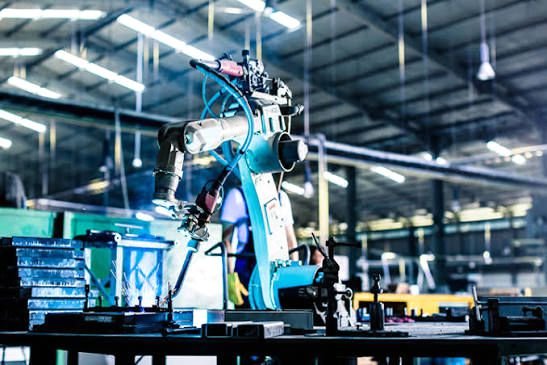
Industrial Automation Drives the Future of Metal Fabrication Equipment Market Growth
Industrial Automation Drives Metal Fabrication Growth
Industrial Automation Reshapes the Global Metal Fabrication Equipment Industry
The global metal fabrication equipment market is entering a new stage of transformation as industrial automation becomes a primary growth driver. According to Persistence Market Research, the market is expected to reach approximately US$67.0 billion in 2026 and expand to around US$91.4 billion by 2033, with a projected CAGR of 4.5%.Manufacturers across automotive, aerospace, energy, and infrastructure sectors continue upgrading production capabilities. Therefore, automation technologies such as PLC systems, DCS platforms, industrial robots, and digital manufacturing solutions are becoming key investment areas.From an industrial automation perspective, fabrication equipment is no longer a standalone machine. Modern production systems combine mechanical equipment with control systems, industrial networks, sensors, and manufacturing software to improve efficiency and process visibility.Based on practical factory integration experience, companies that successfully connect fabrication equipment with automation platforms usually achieve better production stability, easier maintenance management, and improved product consistency.Electric Vehicle Manufacturing Creates New Demand for Automated Fabrication Equipment
Electric vehicle production has become one of the strongest drivers for metal fabrication equipment demand. EV manufacturers require advanced processing technologies for battery enclosures, lightweight structures, aluminum components, and high-strength safety parts.Compared with traditional vehicles, electric vehicles introduce stricter requirements for weight reduction and structural performance. As a result, manufacturers increasingly adopt automated cutting systems, CNC machining centers, and robotic welding solutions.PLC-based control systems manage equipment sequences, motion control, and safety functions during fabrication processes. Meanwhile, industrial robots improve welding accuracy and production repeatability.Major automation suppliers, including Siemens, Rockwell Automation, and ABB, provide control platforms that support modern automotive manufacturing environments.Moreover, EV battery factories require precise process control. Automated inspection systems, material handling equipment, and manufacturing execution systems help maintain production quality.Energy Transition Projects Increase Heavy-Duty Fabrication Equipment Demand
The expansion of renewable energy infrastructure is creating additional opportunities for metal fabrication equipment suppliers. Offshore wind projects, hydrogen facilities, and clean energy plants require large steel structures and corrosion-resistant components.Manufacturers must process thick metal plates, special alloys, and complex assemblies. Therefore, fabrication equipment needs stronger automation capabilities and improved process monitoring.In these applications, industrial control systems play a critical role. PLC controllers manage machine operations, while DCS platforms supervise larger production processes and operational data.For example, large fabrication facilities often integrate automated welding systems with industrial monitoring platforms. This combination allows engineers to track equipment conditions, analyze production data, and improve maintenance strategies.Hybrid Manufacturing Technology Improves Production Flexibility
Hybrid additive-subtractive manufacturing is gaining adoption in aerospace, defense, and energy industries. This technology combines metal additive manufacturing with traditional machining methods.The hybrid approach helps manufacturers reduce material waste while producing complex components with shorter lead times. Furthermore, it supports customized production for high-value industrial parts.However, hybrid manufacturing requires advanced automation architecture. CNC systems, industrial robots, sensors, and digital control platforms must exchange data efficiently.Modern factory automation solutions increasingly rely on industrial communication protocols such as Profinet, EtherNet/IP, and OPC UA to connect machines and supervisory systems.Smart Factory Integration Expands the Role of Control Systems
Digital transformation is changing how manufacturers operate fabrication facilities. Traditional machines are becoming connected production units within smart factory environments.Manufacturers now integrate PLC controllers, industrial PCs, MES platforms, and cloud-based monitoring systems to collect and analyze production data.These connected systems allow operators to monitor machine conditions, optimize production schedules, and identify potential failures before downtime occurs.For instance, vibration sensors, temperature monitoring modules, and energy measurement devices can provide real-time information for predictive maintenance programs.However, successful factory automation requires more than installing new machines. Companies must also upgrade control architectures, industrial networks, and technical skills.Machining Equipment Maintains Market Leadership Through Precision Manufacturing
Machining equipment remains the largest segment in the metal fabrication equipment market, accounting for approximately 31.4% of total revenue.Automotive, aerospace, medical, and industrial equipment manufacturers continue investing in CNC machining centers because these systems determine final component accuracy.Modern machining centers use multi-axis control, automated tool management, and intelligent monitoring technologies. Therefore, manufacturers can achieve tighter tolerances and higher production efficiency.In advanced factories, CNC machines operate together with PLC systems and industrial robots. This integration creates automated production cells that reduce manual handling and improve repeatability.Fiber Laser Cutting Systems Become the Fastest-Growing Equipment Segment
Cutting systems are expected to experience the fastest growth through 2033. Manufacturers increasingly replace traditional CO2 laser systems with fiber laser technologies.Fiber lasers provide higher processing speeds, improved energy efficiency, and better performance when cutting reflective materials such as aluminum and copper.Automotive, electronics, renewable energy, and precision engineering companies increasingly adopt fiber laser equipment because lightweight materials require accurate and flexible processing.Moreover, equipment manufacturers now combine laser cutting machines with robotic loading systems, vision inspection, and digital monitoring platforms.This trend demonstrates that cutting equipment growth depends not only on mechanical capability but also on automation integration.Asia Pacific Leads the Market Through Manufacturing Expansion
Asia Pacific is expected to maintain its position as the largest metal fabrication equipment market, representing approximately 47.8% of global demand.The region benefits from strong manufacturing ecosystems across China, Japan, South Korea, and India. These countries continue expanding automotive production, electronics manufacturing, industrial machinery output, and infrastructure development.Government-supported industrial modernization programs also accelerate automation adoption. Manufacturers increasingly invest in smart factories, robotic production lines, and connected control systems.China, Japan, and South Korea continue developing advanced manufacturing capabilities by combining automation technology with high-volume production models.North America Accelerates Growth Through Reshoring and Smart Manufacturing
Although Asia Pacific remains the largest market, North America is expected to achieve the fastest growth through 2033.Reshoring initiatives, supply chain restructuring, and investments in domestic manufacturing capacity are increasing demand for advanced fabrication equipment.The United States continues expanding production in semiconductor manufacturing, electric vehicles, aerospace, defense, and clean energy industries.Furthermore, Industry 4.0 adoption is increasing across North American factories. Companies are implementing robotics, artificial intelligence, digital twins, and automated inspection systems.Canada and Mexico also benefit from regional manufacturing development and integrated supply chains.AMADA Expands Metal Fabrication Portfolio Through Automation-Focused Innovation
AMADA demonstrated strong market activity in 2025 through new product introductions and strategic acquisitions.The company expanded its portfolio with solutions including collaborative robots for bending systems, fiber laser cutting machines, structural steel processing equipment, and advanced CNC forming technologies.These developments reflect a broader industry trend. Fabrication equipment manufacturers are moving beyond traditional machine production and developing complete automation ecosystems.By combining mechanical equipment, robotics, software, and digital monitoring, suppliers aim to provide higher-value manufacturing solutions.Equipment Cost and Material Price Volatility Remain Market Challenges
Despite strong growth opportunities, the metal fabrication equipment market still faces several challenges.High equipment investment costs remain a major consideration for manufacturers, especially small and medium-sized companies.Additionally, fluctuations in steel and aluminum prices continue affecting production planning and equipment purchasing decisions.Supply chain uncertainty and tariff changes can also influence equipment costs.However, governments continue supporting manufacturing modernization through infrastructure investment, clean energy programs, and industrial development policies.As a result, companies increasingly evaluate automation upgrades as long-term productivity investments rather than simple equipment purchases.Industrial Automation Solutions for Metal Fabrication Applications
Modern metal fabrication facilities require integrated automation solutions that connect machines, control systems, and production management platforms.Typical application scenarios include:Automotive ManufacturingPLC-controlled robotic welding cells manage vehicle body assembly, while vision systems inspect welding quality and dimensional accuracy.Aerospace Component ProductionCNC machining centers combined with industrial robots produce high-precision components while maintaining strict quality standards.Renewable Energy Equipment ManufacturingAutomated cutting and welding systems process large steel structures used in wind turbines and energy infrastructure.Smart Factory OperationsDCS, PLC, MES, and industrial communication networks work together to provide real-time production monitoring and predictive maintenance.These applications show that the future of metal fabrication depends on the integration of manufacturing equipment and industrial automation technologies.Conclusion: Automation Defines the Next Generation of Metal Fabrication
The metal fabrication equipment market is moving toward intelligent, connected, and automated production models.Electric vehicles, renewable energy projects, and advanced manufacturing requirements continue creating new equipment demand. Meanwhile, PLC systems, DCS platforms, robotics, and digital factory technologies provide the foundation for future production development.Manufacturers that successfully combine fabrication equipment with automation solutions will gain stronger competitiveness in the evolving industrial landscape.The next generation of metal fabrication will not rely only on faster machines. It will depend on smarter control systems, better data utilization, and deeper integration between equipment and industrial automation platforms.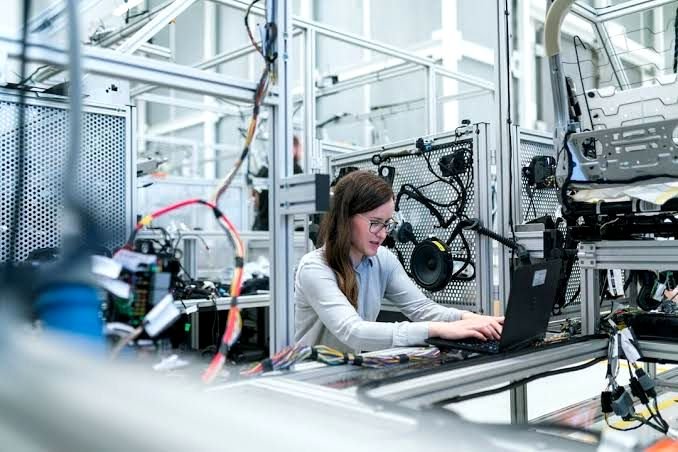
Hexagon Advances Industrial Automation with OPC UA-Based Precision Metrology for Large-Scale Manufacturing
Hexagon Boosts Industrial Automation with OPC UA Metrology
Hexagon Connects Metrology and Industrial Automation Systems
Hexagon Manufacturing Intelligence has expanded its SpatialAnalyzer platform with OPC UA support, creating a stronger connection between precision metrology and industrial automation systems. The update allows measurement software to communicate directly with PLC, robot controllers, and factory automation platforms.For large-scale manufacturing industries, such as aerospace, energy, and shipbuilding, maintaining accuracy remains a major challenge. Manufacturers increasingly use robots to improve productivity; however, robot positioning accuracy can decrease when production involves large and complex structures.Therefore, Hexagon’s OPC UA integration helps manufacturers combine high-precision measurement data with automated control systems. This approach supports more accurate robotic operations and improves overall production efficiency.OPC UA Improves Communication Between PLC and Robotic Control Systems
OPC UA has become a widely adopted industrial communication standard for modern automation environments. It enables secure data exchange between different control systems, including PLC, DCS, SCADA, robots, and manufacturing execution systems.Hexagon’s latest SpatialAnalyzer release uses OPC UA technology to create a direct communication channel between metrology equipment and automation systems. As a result, production lines can use measurement feedback to adjust robotic processes automatically.The system includes encryption and authentication functions to protect industrial data transmission. Moreover, Hexagon provides 25 new MP/SDK commands that help developers build customized OPC UA automation workflows.From an industrial automation perspective, this development represents a shift from traditional offline inspection toward closed-loop manufacturing control. Measurement data no longer remains isolated in quality departments; instead, it becomes part of the factory automation process.Precision Challenges in Large-Scale Robotic Manufacturing
Large-format manufacturing requires extremely accurate positioning during assembly, drilling, welding, and inspection processes. Industries such as aircraft manufacturing and shipbuilding often work with components that exceed several meters in size.Although industrial robots provide speed and repeatability, they cannot always achieve the precision required for complex assemblies. Mechanical deformation, thermal changes, and installation errors can affect robot accuracy.Hexagon addresses these limitations by combining robot automation with advanced metrology solutions. The SpatialAnalyzer platform helps manufacturers monitor part position, verify alignment, and support precision-assisted assembly operations.Based on practical automation projects, integrating measurement feedback into robot control can significantly reduce manual correction steps. This approach also improves production consistency for high-value components.SARCA Robot Calibration Technology Enhances Automation Accuracy
In addition to OPC UA support, Hexagon introduced SARCA, a robot calibration device designed for high-precision industrial applications. The system uses multi-zone and multi-tool calibration methods to improve robot positioning performance.Before robots enter production, manufacturers can use SARCA to identify and correct accuracy deviations. This preparation helps automation engineers achieve better results in applications that require tight tolerances.For aerospace and defense manufacturing, robot calibration plays an important role because small positioning errors can create significant assembly problems. Therefore, accurate calibration improves both manufacturing quality and process stability.Leica Absolute Tracker ATS800 Expands Industrial Metrology Capabilities
Hexagon also increased SpatialAnalyzer compatibility with the Leica Absolute Tracker ATS800 metrology system. The solution supports room scanning, reflector-based laser tracking, and direct feature scanning.This capability allows manufacturers to select different measurement methods according to production requirements. Moreover, system integrators can incorporate new metrology technologies into customized automation solutions through Hexagon’s System Integrator Programme.For modern factories, flexible measurement technology supports digital transformation strategies. Manufacturers can collect accurate production data and use it to optimize robotic workflows, quality inspection, and process control.Industrial Automation Trends: From Robot Automation to Closed-Loop Manufacturing
The integration of metrology and control systems reflects a broader trend in industrial automation. Traditional factories often separated production equipment, quality inspection, and engineering data. However, Industry 4.0 environments increasingly require connected systems.By combining OPC UA, PLC control, robotic automation, and precision measurement, manufacturers can create more intelligent production processes. These systems support real-time decision-making and reduce dependence on manual inspection.In my experience working with industrial automation systems, successful automation projects depend not only on hardware performance but also on communication reliability and data integration. OPC UA provides a practical foundation for connecting different automation layers.Applications of Hexagon Metrology Solutions in Factory Automation
Aerospace Component Manufacturing
Aircraft manufacturers can use SpatialAnalyzer with robotic systems for drilling, assembly alignment, and inspection of large aircraft structures. The solution helps maintain precision while increasing production capacity.Energy Equipment Production
Large turbines, generators, and industrial machinery require accurate assembly processes. Metrology-assisted automation helps engineers verify component alignment before final installation.Shipbuilding and Heavy Industry
Shipyards often handle oversized structures where manual measurement creates efficiency limitations. Integrated metrology and robotic automation can improve positioning accuracy during fabrication.Expert View: Precision Data Becomes a Key Element of Future Automation
The future of industrial automation will depend increasingly on the combination of control systems, robotics, and real-time measurement data. Manufacturers cannot rely only on faster machines; they also need accurate information to control complex processes.Hexagon’s OPC UA-enabled SpatialAnalyzer demonstrates how metrology can become part of the automation architecture. This development provides a practical pathway for factories that want to improve robotic accuracy, production quality, and digital integration.As manufacturing moves toward flexible and intelligent production models, technologies that connect measurement data with PLC, DCS, and robotic control systems will continue to gain importance.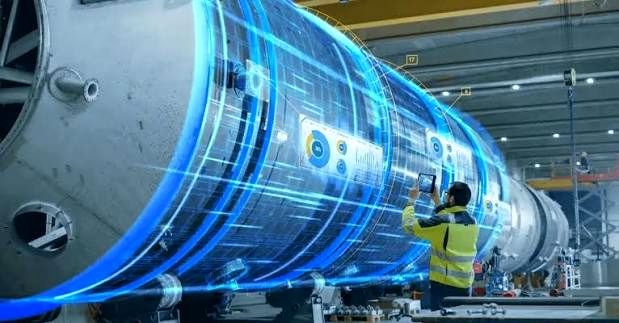
ABB Modernises Pelican Point Power Station with Next-Generation DCS Control System Technology
ABB Upgrades Power Plant Automation Infrastructure to Improve Operational Performance
ABB has secured a modernisation project with ENGIE Australia to upgrade the distributed control system (DCS) infrastructure at Pelican Point Power Station in South Australia. The project will replace existing Advant controllers with the latest ABB Ability System 800xA AC 800M controllers.The upgrade focuses on improving industrial automation performance, strengthening cybersecurity protection, and enhancing real-time plant monitoring. Moreover, the project allows the power station to maintain existing control functions while adopting newer automation technologies.Pelican Point Power Station plays an important role in South Australia’s energy network. The combined cycle gas turbine (CCGT) facility can generate up to 532 MW of electricity and supplies approximately half of the state’s annual thermal power generation requirements.Modern DCS Control Systems Support Long-Term Power Plant Reliability
Modernising control systems has become a major priority for energy producers worldwide. Many power stations continue operating with legacy PLC and DCS platforms that require upgrades to meet current operational and cybersecurity requirements.ABB’s AC 800M controller provides a modern control platform for process automation applications. The controller integrates with ABB System 800xA, offering improved system management, engineering flexibility, and enhanced diagnostics.In industrial automation environments, upgrading the controller layer can significantly improve plant availability. Therefore, operators can achieve better process visibility while reducing risks associated with aging automation hardware.From practical experience in power automation projects, controller modernisation often delivers value beyond hardware replacement. Engineers can improve maintenance efficiency, simplify troubleshooting, and prepare the facility for future digital transformation initiatives.System 800xA and AC 800M Strengthen Industrial Automation Capabilities
The Pelican Point upgrade will modernise controllers for one gas turbine and the steam turbine system. ABB will replace existing Advant control technology with AC 800M controllers to improve automation performance.The AC 800M platform supports advanced control applications across power generation, water treatment, oil and gas, and manufacturing industries. It provides high-speed processing, flexible communication options, and integration with distributed control architectures.Furthermore, ABB System 800xA enables operators to manage control, electrical systems, safety functions, and asset information through a unified automation platform.For large industrial facilities, integrated control systems reduce operational complexity. They also provide engineers with better access to equipment status, alarms, and performance data.Cybersecurity Improvements Become Critical for Power Automation Systems
Cybersecurity has become a key consideration for modern DCS and factory automation systems. Power plants now require stronger protection against evolving digital threats while maintaining continuous operation.The ABB modernisation project improves the security foundation of Pelican Point’s automation infrastructure. Updated controllers provide a more suitable platform for current cybersecurity practices and future system enhancements.However, cybersecurity improvements must balance protection with operational requirements. Industrial facilities cannot simply apply traditional IT security methods because automation systems require high availability and predictable response times.Therefore, modern control system upgrades should include both hardware improvements and long-term lifecycle management strategies.ABB and ENGIE Continue Long-Term Power Plant Automation Partnership
ABB has supported Pelican Point Power Station through an ABB Care agreement since 2019. The partnership provides maintenance support, technical expertise, and opportunities for automation system improvement.Long-term service agreements help industrial operators extend equipment lifecycle and maintain stable production performance. In addition, they allow automation suppliers to identify upgrade opportunities before aging systems affect plant operations.ENGIE Australia stated that the modernisation project supports improved efficiency, reliability, and long-term asset value. The upgrade also prepares Pelican Point for future energy market requirements.This type of collaboration represents a growing trend across the power industry. Operators increasingly combine automation upgrades with lifecycle services to maintain competitive performance.Energy Demand Growth Drives Power Plant Control System Modernisation
Australia’s electricity demand continues to increase as industries expand and energy consumption patterns change. According to forecasts from the Australian Energy Market Operator (AEMO), electricity demand may grow significantly by 2030.As a result, existing power plants must improve operational efficiency and maintain reliable electricity supply. Modern DCS platforms provide important tools for achieving these goals.Power generation facilities are increasingly adopting advanced PLC, DCS, and industrial automation solutions to improve flexibility. These technologies help operators manage changing loads, optimize maintenance schedules, and increase operational transparency.In my view, power plant modernisation is no longer only about replacing outdated controllers. It represents a broader strategy that combines automation technology, cybersecurity, and asset management.Application Scenario: DCS Modernisation for Existing Power Generation Facilities
A typical DCS upgrade project involves several technical stages:1. Existing System Assessment Engineers evaluate current controllers, communication networks, I/O modules, and control strategies before migration.2. Controller Replacement and Configuration Legacy Advant controllers or older PLC systems are replaced with modern platforms such as ABB AC 800M.3. Control Logic Migration Existing process sequences, interlocks, and operating functions are transferred and tested to maintain plant availability.4. System Testing and Commissioning Engineers verify control performance, communication reliability, alarm functions, and operator interfaces.5. Future Digital Integration Modern automation platforms provide a foundation for advanced analytics, predictive maintenance, and industrial digitalisation.This approach applies not only to power plants but also to chemical facilities, manufacturing factories, water treatment plants, and other process industries.Conclusion: Modern Automation Creates a More Flexible Energy Future
ABB’s Pelican Point Power Station project demonstrates the importance of continuous automation system evolution. By upgrading DCS controllers and improving cybersecurity capabilities, the facility can maintain stable operation while preparing for future energy challenges.For industrial operators, modern PLC and DCS technologies provide a practical path toward improved efficiency, better asset management, and stronger operational resilience.As global energy systems become more complex, control system modernisation will remain a key investment area for power generation companies and industrial automation users.
Emerson Ovation Curation Tool Enhances Digital Twin Synchronization for Industrial Automation
Emerson Develops New Solution for Control System and Digital Twin Management
Emerson has introduced the Ovation Curation Tool, a software solution designed to improve synchronization between Ovation control systems and digital twin environments. The tool helps industrial organizations manage configuration changes, maintain version history, and improve digital twin accuracy.In modern industrial automation, digital twins support operator training, engineering validation, process optimization, and control strategy testing. However, these virtual environments must remain consistent with real-world control systems, PLC, DCS platforms, and factory automation networks to deliver accurate results.As power and water facilities continue upgrading their automation infrastructure, maintaining alignment between operational systems and simulation platforms has become a growing challenge. Emerson’s new solution addresses this issue by automating change tracking and synchronization workflows.Digital Twin Synchronization Challenges in Industrial Automation
Digital twin technology has become an important component of modern industrial automation strategies. Companies use digital replicas of their production systems to improve safety, reduce downtime, and optimize operational performance.However, control systems continuously evolve during daily operations. Engineers often adjust DCS configurations, modify control logic, update parameters, or improve process sequences to solve operational issues.These changes can gradually create differences between the physical control environment and the digital simulation model. Therefore, engineering teams must regularly compare both systems to maintain accuracy.Traditionally, engineers performed these comparisons manually. This approach required significant time and introduced risks caused by missed updates or undocumented configuration changes.From practical industrial experience, maintaining digital twin consistency becomes more difficult as automation systems expand across multiple units, production lines, and remote facilities.Automated Change Tracking Improves Control System Governance
The Emerson Ovation Curation Tool provides automated monitoring for Ovation-based control environments. Users can schedule synchronization checks weekly, monthly, or according to specific engineering requirements.The software records important configuration information, including:- Modified system parameters
- User activity records
- Change timestamps
- Version history details
Digital Twin Impact Analysis Supports Safer System Updates
Before applying changes, the Ovation Curation Tool provides simulation snapshot impact analysis. This feature allows engineers to evaluate potential effects before deploying updated configurations.The analysis process helps teams understand whether a modification may influence system behavior, simulation accuracy, or operator training scenarios.Therefore, engineers can review possible risks before introducing changes into production environments. This approach supports safer DCS management and reduces unnecessary testing cycles.For power generation and water treatment facilities, where continuous operation is critical, controlled deployment processes can improve operational confidence.Repository-Based Collaboration Supports Factory Automation Workflows
The Ovation Curation Tool uses a repository-based method to manage data movement between production systems and digital twin environments.Multiple engineers can access shared assets, review modifications, and combine approved changes through collaborative workflows. In addition, the repository approach improves traceability across engineering teams.This capability supports organizations that operate complex automation architectures involving:- Distributed Control Systems (DCS)
- PLC-based automation platforms
- Operator training simulators
- Engineering development environments
- Digital twin applications
Digital Twins Become a Foundation for Industrial AI Applications
The growth of industrial artificial intelligence has increased demand for accurate and continuously updated digital twins. AI models require trustworthy operational data and realistic simulation environments to deliver meaningful results.According to industry analysts, open and interoperable digital ecosystems will play a major role in future automation development. Digital twin synchronization technologies can support this transition by keeping engineering models aligned with real production conditions.In my view, digital twins will not replace traditional PLC, DCS, or safety control systems. Instead, they will become an additional engineering layer that helps organizations improve decision-making, testing efficiency, and operational planning.Emerson Ovation Curation Tool Applications in Power and Water Industries
The Ovation platform is widely used in power generation and water infrastructure applications. These industries require stable automation systems because unexpected control changes can affect production reliability and operational safety.Typical application scenarios include:Power Plant Operator TrainingDigital twins allow operators to practice abnormal condition responses without affecting live plant operations. The Curation Tool helps maintain simulator accuracy after control system updates.Control Strategy TestingEngineers can evaluate new DCS strategies in simulation environments before applying changes to operating systems.Engineering Change ManagementAutomation teams can track configuration modifications and maintain consistent documentation throughout the system lifecycle.AI-Based Process OptimizationAccurate digital models provide better foundations for predictive analytics and industrial AI applications.Industry Perspective: Digital Twin Synchronization Will Shape Future Automation
The introduction of Emerson’s Ovation Curation Tool reflects a broader trend in industrial automation. Companies are moving from isolated control systems toward integrated automation ecosystems.Future factories and infrastructure projects will require stronger connections between PLC, DCS, simulation platforms, and enterprise data systems.However, successful digital transformation depends on accurate engineering data and controlled system management. Tools that automate synchronization, version control, and configuration governance will become increasingly valuable.For automation engineers, maintaining alignment between physical systems and digital models will become a standard part of lifecycle management.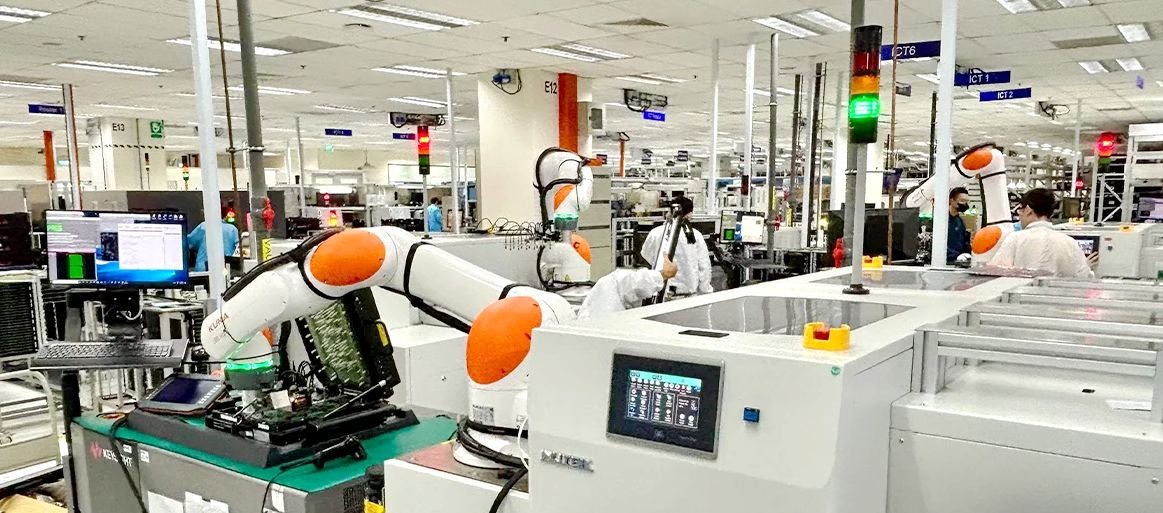
Rockwell Automation Singapore Hub: Driving Global Industrial Automation and Smart Manufacturing Innovation
Driving Global Industrial Automation and Smart Manufacturing Innovation
Singapore Becomes a Global Engine for Industrial Automation Innovation
The global industrial automation market is entering a new growth phase. Analysts expect the sector to approach US$440 billion by 2030, driven by smart manufacturing, digital transformation, and connected factory technologies.Rockwell Automation continues to play a major role in this transformation. The company develops industrial automation solutions that help manufacturers improve production efficiency, operational visibility, and process control.From PLC systems and industrial networks to software platforms and lifecycle services, Rockwell Automation supports manufacturers across multiple industries. Its technologies operate behind many everyday products, including medicines, vehicles, electronics, and packaged foods.Manufacturing companies increasingly require flexible control systems that can adapt to changing production demands. Therefore, industrial automation providers must combine hardware expertise with software intelligence and data-driven solutions.Rockwell’s Singapore operation demonstrates how a regional manufacturing center can become a global innovation platform.Rockwell Automation Builds a Strategic Industrial Automation Presence in Singapore
Rockwell Automation established its Singapore operations in 1991 with a regional sales office. Over three decades later, the location has developed into a major hub for research, manufacturing, and regional business activities.The Singapore facility supports Rockwell’s three core business areas:- Intelligent Devices
- Software & Control
- Lifecycle Services
Smart Manufacturing Technologies Developed in Singapore Reach Global Markets
Rockwell Automation uses Singapore as a testing environment for next-generation factory automation solutions.The company combines research and development with manufacturing operations at the same location. Therefore, engineers can test prototypes directly in production environments, analyze performance data, and improve designs faster.This approach reduces development cycles and improves product validation.For industrial automation manufacturers, this method creates an important advantage. Traditional product development often separates engineering teams from factory operations. However, direct interaction between developers and production environments helps identify practical challenges earlier.Singapore-developed technologies have contributed to Rockwell’s global product portfolio. The company has applied operational methods from its Singapore facility across its worldwide manufacturing network.These practices include:- Digital production monitoring
- Automated quality inspection
- Predictive maintenance
- Industrial data analytics
- Autonomous material handling systems
How Rockwell Uses PLC, Control Systems, and Digital Transformation Technologies
Modern manufacturing requires more than conventional automation equipment. Factories now need connected control systems that integrate production data, machine intelligence, and business decision-making.Rockwell Automation addresses these requirements through its industrial automation ecosystem.PLC technology remains a fundamental component of factory automation. Programmable logic controllers manage machine sequences, process operations, safety functions, and real-time control tasks.However, modern plants increasingly combine PLC systems with advanced software platforms. These platforms collect operational data and provide insights for production optimization.DCS technology also remains important in industries such as:- Pharmaceuticals
- Energy
- Chemicals
- Food processing
Industry 4.0 Applications Improve Factory Performance and Productivity
Rockwell Automation has implemented more than 50 Industry 4.0 applications at its Singapore facility.These applications include artificial intelligence-based inspection, autonomous mobile robots, and predictive maintenance technologies.The factory has achieved measurable improvements:- Defects reduced by 35 percent
- Worker training time reduced by 67 percent
- Labor productivity increased by 43 percent
Rockwell Singapore Facility Recognized as a World-Class Smart Factory
Operational excellence at Rockwell’s Singapore facility has received international recognition.The site joined the World Economic Forum’s Global Lighthouse Network in 2026. This recognition highlights factories that demonstrate outstanding performance in digital transformation and advanced manufacturing.The facility became the seventh Lighthouse factory in Singapore, giving the country one of the highest concentrations of recognized smart factories in Southeast Asia.This achievement reflects Singapore’s broader manufacturing strategy.The country has invested heavily in industrial digitalization, automation skills, and advanced manufacturing infrastructure.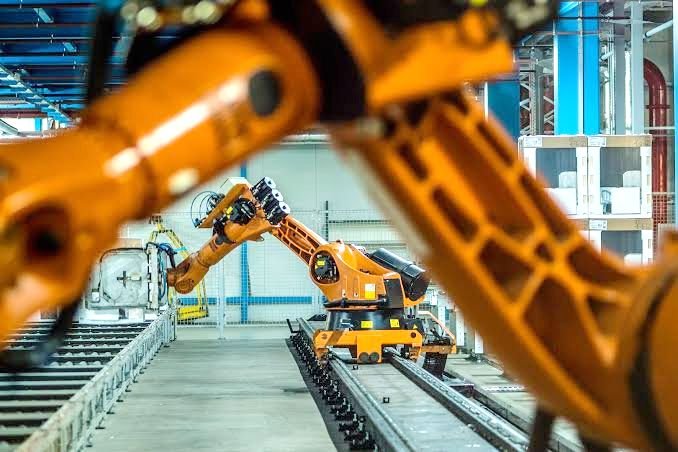
Rockwell Automation Enables Advanced Nuclear Control Systems for Aalo-X Reactor Development
Rockwell Automation Expands Industrial Automation Role in Advanced Nuclear Energy
Rockwell Automation has been selected by Aalo Atomics to provide the control platform for the Aalo-X critical test reactor. The project highlights how industrial automation technologies support the next generation of nuclear energy systems.Aalo Atomics develops modular nuclear reactors designed to supply power for high-demand applications, including artificial intelligence data centers. The company selected Rockwell Automation’s control solutions to manage reactor operations, system monitoring, and operational testing.The collaboration demonstrates the growing role of industrial automation in emerging energy industries. Modern nuclear facilities require precise control systems, secure data management, and scalable automation architectures.Control Systems Support Next-Generation Nuclear Reactor Operations
Rockwell Automation will provide integrated control and information solutions based on its ControlLogix PLC platform. The system supports real-time monitoring, process control, and operational coordination throughout the reactor lifecycle.ControlLogix is widely used in industrial environments because it provides flexible controller architecture, high-speed processing, and integration capabilities with industrial networks. Therefore, the platform can support complex applications that require continuous data exchange and reliable automation performance.In advanced energy projects, PLC-based control systems must work with safety systems, supervisory platforms, and industrial communication networks. These technologies help engineers improve operational visibility while maintaining strict process requirements.PLC and DCS Technologies Drive Industrial Energy Innovation
Although nuclear facilities traditionally rely on specialized control architectures, modern projects increasingly integrate proven industrial automation technologies. Rockwell Automation combines PLC solutions, information platforms, and digital engineering tools to support this transition.Industrial users often apply PLC and DCS control systems together to manage different operational layers. PLC platforms typically handle fast control tasks, while DCS solutions manage broader process supervision and plant-wide coordination.Moreover, advanced energy projects require strong cybersecurity, data analytics, and system integration. These requirements are similar to those found in oil and gas, chemical processing, and power generation industries.Aalo-X Reactor Supports Rapid Nuclear Technology Validation
Aalo Atomics developed the Aalo-X reactor as a test platform for modular nuclear technology. The reactor allows engineers to evaluate system performance, operational procedures, and deployment strategies under real operating conditions.The project operates under the U.S. Department of Energy Reactor Pilot Program. This initiative aims to accelerate testing and approval processes for advanced nuclear technologies.As a result, automation platforms play a key role in shortening development cycles. Engineers can collect operational data, analyze system behavior, and improve reactor designs through real-world testing.Industrial Automation Experience Helps Accelerate Critical Applications
From an industrial automation perspective, projects like Aalo-X show the importance of applying mature control technologies in new industries. Automation suppliers with experience in manufacturing, power, and process industries can transfer proven methods into advanced applications.For example, engineers commonly use PLC systems with remote I/O, industrial Ethernet networks, and human-machine interfaces (HMI) in demanding environments. These same concepts can support modular energy systems when engineers apply appropriate safety and compliance strategies.However, nuclear applications require additional engineering validation. Control platforms must meet strict operational requirements, cybersecurity guidelines, and industry-specific regulations.Rockwell Automation Strengthens Digital Transformation in Energy
Rockwell Automation continues to expand beyond traditional factory automation markets. The company provides automation solutions for manufacturing, infrastructure, and energy applications worldwide.The company’s Connected Enterprise approach combines industrial control, data analytics, and digital technologies. Therefore, organizations can connect field operations with enterprise-level decision systems.This approach reflects a broader industrial trend. Energy companies increasingly require automation platforms that provide both operational control and advanced information management.Future Outlook for Automated Modular Nuclear Systems
The partnership between Rockwell Automation and Aalo Atomics represents a growing connection between industrial automation and clean energy development.Modular nuclear reactors require scalable control architectures, efficient engineering workflows, and advanced monitoring capabilities. Consequently, automation technologies will become increasingly important as new energy systems move from development toward commercial operation.In my experience working with industrial control projects, successful automation deployments depend on three factors: appropriate system architecture, proven hardware platforms, and detailed application engineering. The Aalo-X project demonstrates how industrial automation knowledge can support innovation beyond traditional manufacturing environments.Application Scenario: Integrated Control Solution for Modular Energy Facilities
A future modular reactor facility may combine multiple automation technologies, including:- Rockwell ControlLogix PLC controllers for process control functions
- Industrial Ethernet networks for high-speed communication
- HMI systems for operator monitoring and equipment management
- Data platforms for predictive analysis and operational optimization
- Safety systems for risk management and regulatory compliance