

Overview
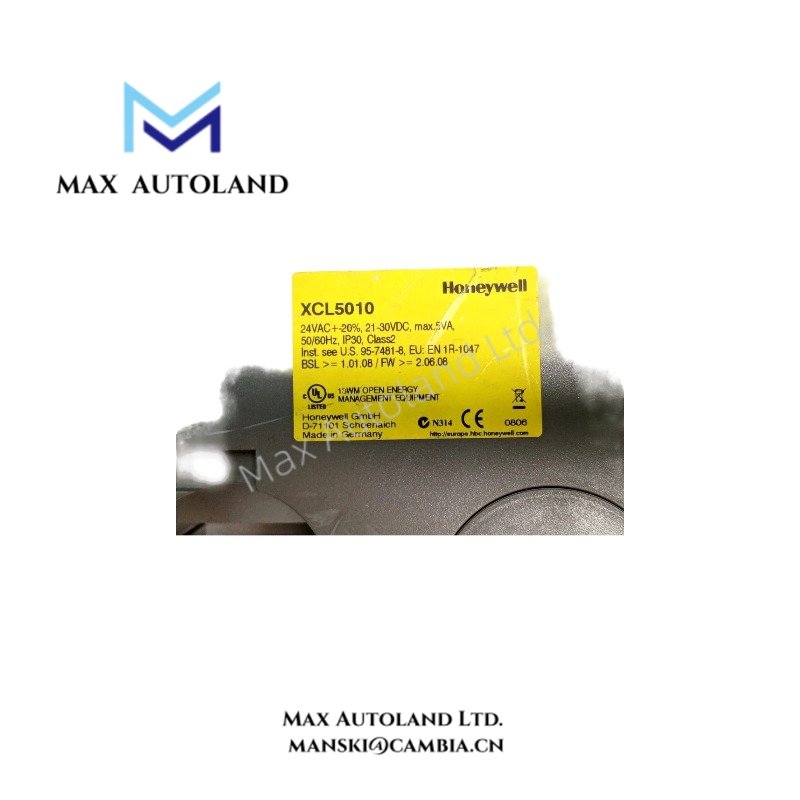
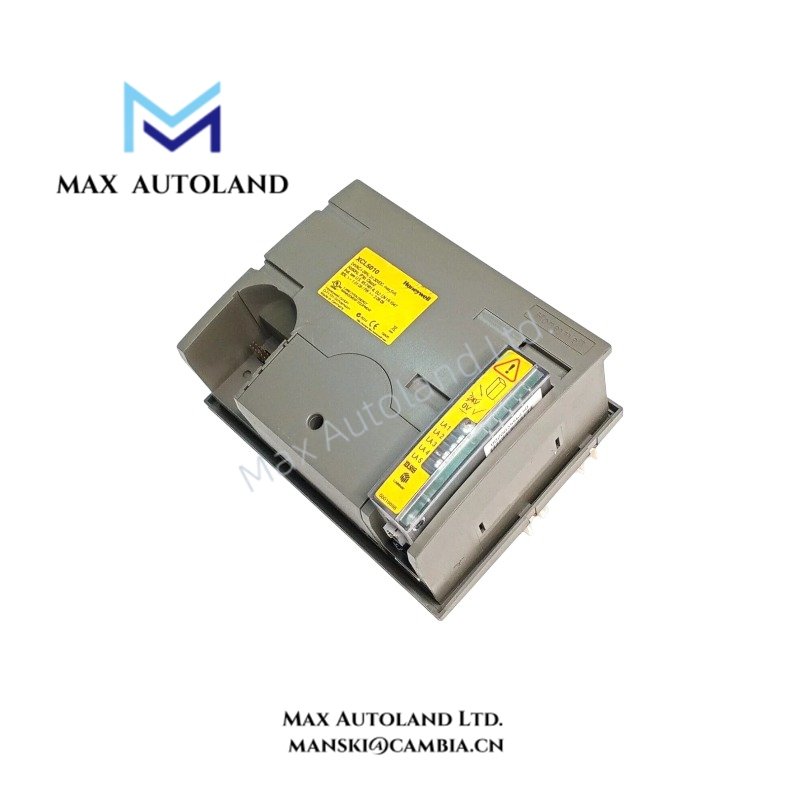
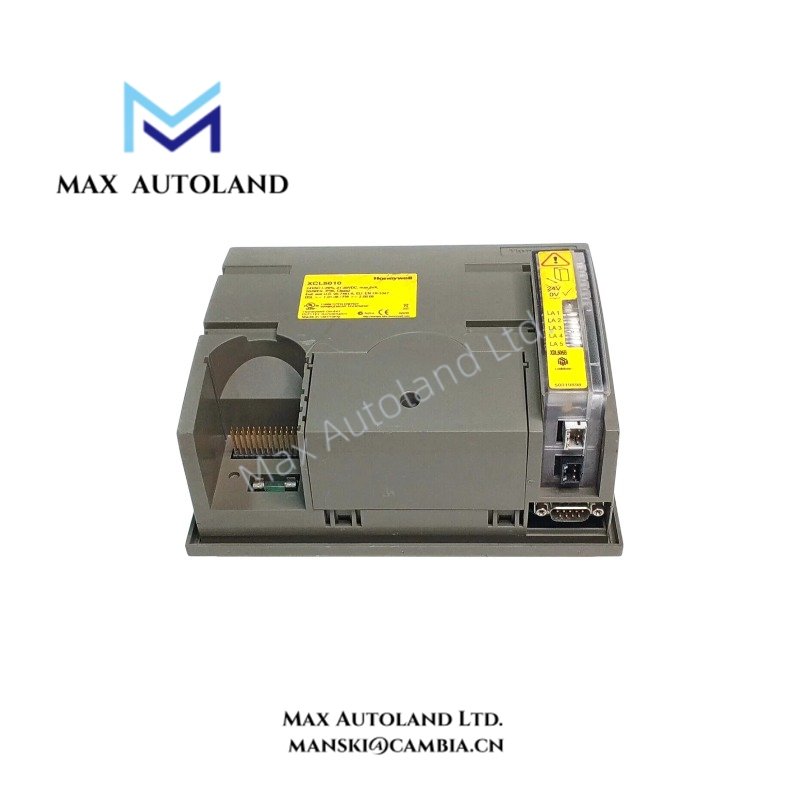
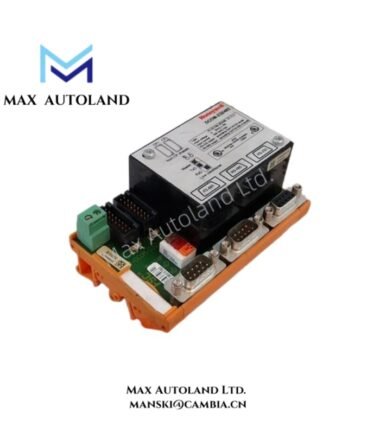
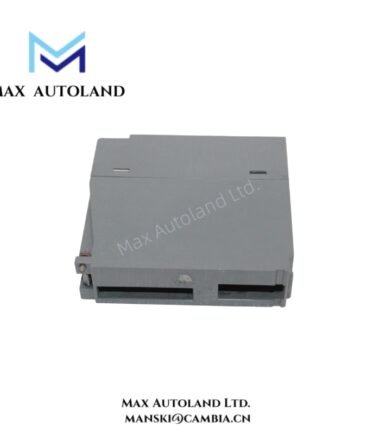
The Honeywell FC-DCOM-485, also cataloged as the FC-DCOM-485 converter, operates as a dedicated hardware component for bidirectional serial protocol conversion within industrial automation networks. It processes incoming 5 Vdc supply rails to translate standard asynchronous serial data streams between EIA/TIA-232 and EIA/TIA-485-A physical layers, supporting transmission baud rates up to 2 MBaud for high-speed fieldbus architectures.
Hardware Specifications
| Parameter | Specification |
|---|---|
| Model | FC-DCOM-485 |
| Brand | Honeywell |
| Origin | USA |
| Weight | 0.14 kg |
| Dimensions | 11 x 7 x 6 cm |
| Operating Temp | -20 deg C to +60 deg C |
| Power Consumption | Max 500 mA at 5 Vdc |
| Input Voltage | 5 Vdc +/-5% |
| RS232 Interface | EIA/TIA-232 levels, 0 – 250 kBaud |
| RS485/422 Interface | EIA/TIA-485-A levels, 0 – 2 MBaud |
| Mounting | TS32 / TS35 x 7.5 DIN EN rails |
Channel Isolation and DCS Bus Compatibility
Engineered for integration within distributed control system (DCS) architectures, the unit ensures stable signal transmission across multi-drop serial topologies. The interface circuitry provides robust electrical decoupling and impedance matching according to EIA/TIA standards, mitigating common-mode noise and ground potential differences in extended industrial cabling runs. Power management circuitry regulates the nominal 5 Vdc input to prevent transient feedback into the backplane bus, while maintaining deterministic response times across both low-speed diagnostic ports and high-speed multi-drop networks up to 2 MBaud.
Frequently Asked Questions
Q: What are the maximum baud rate limitations for the RS232 and RS485/422 channels?
A: The RS232 output supports baud rates from 0 to 250 kBaud, while the RS485/422 output supports extended high-speed transmission up to 2 MBaud according to EIA/TIA-485-A specifications.
Q: Can this converter be mounted on standard industrial DIN rails?
A: Yes, the unit is physically designed to snap directly onto standard TS32 or TS35 x 7.5 DIN EN rails, ensuring mechanical stability in control cabinet installations.
Field Installation Guidelines
- DIN Rail Mounting: Securely snap the module onto a grounded TS32 or TS35 x 7.5 DIN rail within a certified industrial control enclosure to ensure mechanical rigidity and low-impedance ground bonding.
- Power Supply Connection: Verify that the incoming supply strictly matches 5 Vdc +/-5% with a current capability exceeding 500 mA maximum load before energizing the device.
- Shielding and Grounding: Terminate communication cable shields to the designated control panel ground bar to prevent electromagnetic interference (EMI) disruption across RS232 and RS485/422 signal lines.
- Thermal Clearance: Maintain adequate vertical spacing above and below the module to allow passive convection cooling within the cabinet environment.



Reviews
There are no reviews yet.