 What to Expect at the 2025 ISA Automation Summit & Expo
Industrial Automation Leaders Gather at ISA ASE 2025
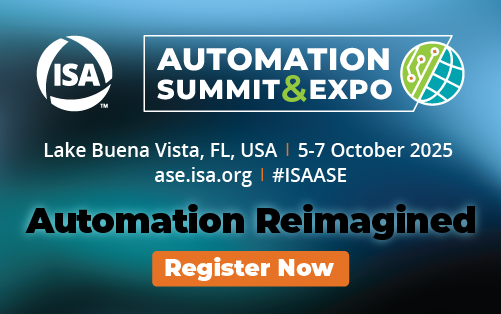
From October 5–7, 2025, the
International Society of Automation will host the 2025 ISA Automation Summit & Expo at Disney’s Coronado Springs Resort in Lake Buena Vista, Florida. This annual event brings together professionals focused on industrial automation, control systems, and industrial cybersecurity. Therefore, it serves as a strategic meeting point for engineers, plant managers, and OT security leaders.
A Program Designed for Operational Excellence and OT Security
The 2025 program targets real operational challenges across factory automation and process industries. Sessions address safety, compliance, and resilience in modern control systems. Moreover, the agenda reflects growing concerns around PLC, DCS, and ICS/OT security as digital transformation accelerates across industrial environments.
The ISA Expo: From Automation Concepts to Production Floors
A core highlight is the ISA Expo, delivered in partnership with the ISA Tampa Bay Section. The Expo features 74 automation vendors showcasing solutions for both discrete and process manufacturing. As a result, attendees can see how industrial automation technologies move from design concepts into live production use.
Exploring Control Systems, AI, and IT/OT Convergence
On the Expo floor, vendors demonstrate advanced process control, edge analytics, and AI-assisted diagnostics under realistic conditions. In addition, exhibitors highlight IT/OT convergence, ISA standards–based solutions, and reliability technologies. These demonstrations help visitors evaluate how modern control systems perform beyond theoretical use cases.
Student Simulation Showdown and Workforce Development
The Student Simulation Showdown introduces an immersive VR experience focused on critical infrastructure scenarios. This interactive environment connects students with industry professionals. Moreover, it supports workforce development by simulating real operational incidents and collaborative problem-solving in industrial automation contexts.
Keynote Sessions Shaping the Future of Automation
The keynote program connects strategic vision with practical execution. Speakers address innovation, emerging threats, and leadership in automation and cybersecurity. Notable keynotes include Douglas Hurley of NASA and Tom Liston of Bad Wolf Security. Therefore, attendees gain perspectives spanning aerospace innovation and real-world OT security threats.
Industry Voices from Global Enterprises
Additional speakers represent organizations such as Lockheed Martin, Shell, Amazon, Eli Lilly, and Walt Disney World. Their sessions link macro trends like AI adoption with daily realities in factory automation, workforce training, and secure system deployment. As a result, discussions remain grounded in operational experience.
Honors and Awards Gala Recognizing Automation Excellence
The ISA Honors and Awards Gala celebrates professional achievement across engineering, education, and leadership. Held on October 6 at Pandora – The World of Avatar in Disney’s Animal Kingdom, the event honors ISA Fellows, award recipients, and scholarship winners. This recognition reinforces the profession’s commitment to technical excellence and mentorship.
ICS4ICS Workshop: Practical Cyber Defense for Industry
The ICS4ICS workshop focuses on hands-on incident response for industrial control systems. Participants practice using a structured framework aligned with real plant scenarios. Moreover, attendees leave with templates and assessment tools to strengthen OT cybersecurity programs within their own organizations.
Author’s Perspective: Why ASE 2025 Matters
From an industry standpoint, ISA ASE 2025 reflects a shift toward applied knowledge over theory. Automation leaders increasingly demand actionable insights across PLC, DCS, and cybersecurity domains. Therefore, events that combine technical depth with real-world experience deliver the highest value for industrial teams.
Application Scenarios and Practical Outcomes
Typical takeaways include improved incident response planning, clearer IT/OT integration strategies, and better vendor evaluation for factory automation projects. As a result, organizations can translate conference insights into safer operations, stronger control systems, and measurable performance gains.

 What to Expect at the 2025 ISA Automation Summit & Expo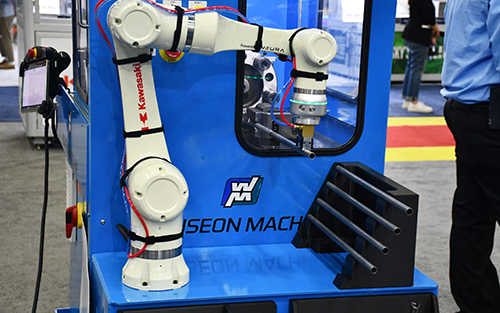




 Figure 1: X-bar control chart.
