Bridging the Physical and Digital: ArcelorMittal and AWS Converge OT and IT
Strategic Convergence of IT and OT in Steel Manufacturing
For decades, steel plants have operated with a clear divide between Operational Technology (OT) managing heavy machinery and Information Technology (IT) handling business systems. This collaboration signals a decisive shift—by converging IT and OT on AWS’s secure, scalable infrastructure, ArcelorMittal can unify data streams from blast furnaces to ERP platforms. In my view, this integration is the true backbone of Industry 4.0; without it, AI remains siloed and underutilised.
Edge Computing Brings AI to the Plant Floor
One of the most compelling aspects of this deal is AWS’s ability to push AI to the
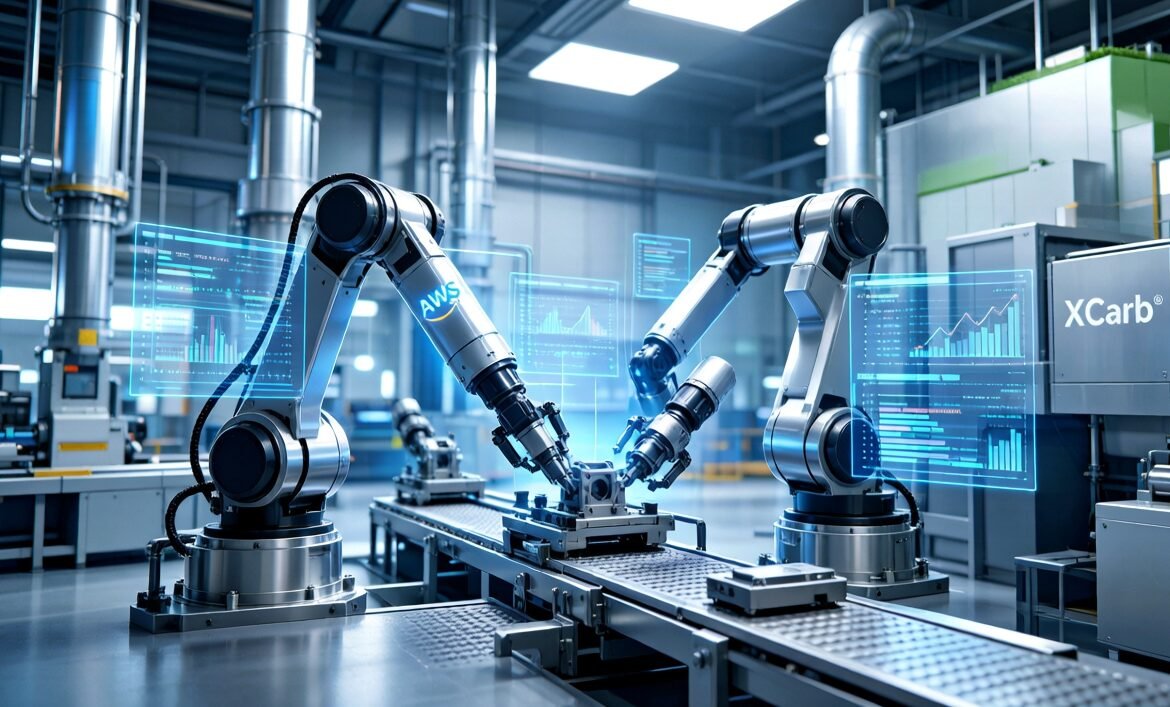
edge—right where molten steel meets sensors. Real‑time analytics on temperature fluctuations or vibration patterns allow immediate corrective action, reducing downtime and scrap rates. From my experience, deploying AI at the edge eliminates latency issues common in cloud‑only models, ensuring steelmaking decisions happen at production speed.
Predictive Maintenance as a Competitive Advantage
Predictive maintenance is no longer optional in heavy industry. By analysing historical equipment performance alongside live sensor feeds, ArcelorMittal can forecast failures before they occur. This doesn’t just save millions in unplanned outages—it also drastically improves worker safety. I believe predictive strategies will soon define market leaders in metals manufacturing.
Computer Vision for Quality Control
Integrating AWS’s computer vision into quality assurance means defects invisible to the human eye can be detected instantly. For example, micro‑cracks or surface irregularities in structural beams can trigger automatic rejection or rerouting. In my assessment, this will raise product consistency while lowering manual inspection costs—a win for both producer and customer.
Digital Twins Driving Process Optimisation
Digital twins of production lines enable engineers to simulate changes without risking actual output. Whether testing a new alloy mix or adjusting furnace parameters, these virtual replicas provide a sandbox for optimisation. I see this as a game‑changer: steelmakers can trial carbon‑reduction measures virtually before committing physically, accelerating innovation cycles.
Lower‑Carbon Steel and Decarbonisation Goals
Beyond automation, the supply agreement for XCarb® lower‑carbon steel underscores the environmental dimension. Supplying Amazon’s facilities with reduced‑emission steel aligns with global decarbonisation targets and sets a precedent for green procurement in construction. In my opinion, this dual focus—digital efficiency plus sustainability—will become the benchmark for future industrial partnerships.