Valley Made Manufacturing Summit Highlights Industrial Automation and Future Factory Technology
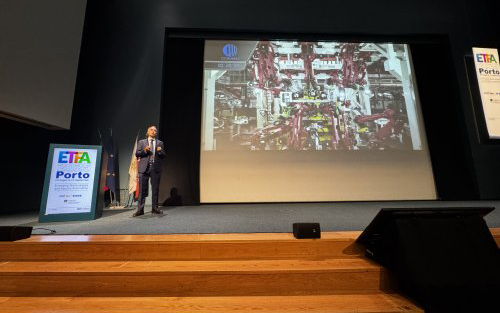
The Valley Made Manufacturing Summit brought industry leaders to Fresno, California, to explore emerging technologies and the future of industrial automation. Under the theme "Valley Made, Future Built," the event highlighted manufacturing innovation, workforce development, and regional investment.
Manufacturing Leaders Explore Industrial Automation Trends
More than 1,000 attendees gathered at the Fresno Convention Center for the annual summit. The San Joaquin Valley Manufacturing Alliance (SJVMA) organized the event. It welcomed manufacturers, policymakers, educators, students, and community representatives.Moreover, the summit highlighted the Central Valley's growing manufacturing capabilities. Participants shared ideas about technology adoption, factory modernization, and industrial competitiveness. The discussions also recognized manufacturers' contributions to the regional economy.Humanoid Robots Demonstrate Advances in Factory Automation
The event featured breakout sessions, technology demonstrations, and interactive exhibits. One notable attraction was a humanoid robot from Bakersfield College's industrial automation program.The demonstration highlighted the growing role of robotics in modern manufacturing. In particular, humanoid robots show how automation technologies continue to expand beyond traditional production equipment.Meanwhile, manufacturers continue to explore robotics, PLC control systems, and intelligent machine operations. These technologies support automated production processes and help address changing industrial requirements.Artificial Intelligence Shapes the Future of Manufacturing
Artificial intelligence and automation formed key topics during the summit's keynote discussion. Industry representatives examined how AI could influence manufacturing operations and future production strategies.AI technologies can support production monitoring, equipment diagnostics, and manufacturing data analysis. When combined with industrial control systems, they can also help manufacturers identify operational issues and improve decision-making.However, successful adoption requires more than new technology. Manufacturers must also develop the technical skills needed to operate and maintain increasingly automated facilities.Workforce Training Supports Industrial Technology Development
Education and workforce development received considerable attention throughout the event. Speakers emphasized the importance of cooperation between manufacturers, educational institutions, and training organizations.In addition, students need practical experience with industrial automation technologies. Training in PLC programming, robotics, electrical systems, and process control can help prepare future technicians and engineers.These partnerships can help close manufacturing skills gaps. They also support the industry's transition toward more connected and automated production environments.Fresno Highlights Infrastructure Investment for Manufacturing Growth
Fresno Mayor Jerry Dyer delivered the summit's closing remarks. He emphasized the importance of infrastructure investment in supporting local manufacturing businesses.Reliable infrastructure helps manufacturers maintain production activities and support supply chain operations. Furthermore, continued regional investment can create better conditions for industrial development and business expansion.Industry Networking Encourages Regional Collaboration
The summit concluded with a Power Hour networking session. Attendees had opportunities to exchange ideas, establish professional connections, and explore potential partnerships.Action News Anchor Vanessa Vasconcelos served as the event's emcee. The gathering reinforced the value of collaboration across manufacturing, education, government, and technology sectors.Industrial Automation Remains Central to Manufacturing's Future
The Valley Made Manufacturing Summit demonstrated the importance of technology, education, and infrastructure in manufacturing development. AI, robotics, PLC systems, and factory automation continue to influence industrial operations.As manufacturers adopt new technologies, workforce training and regional cooperation will remain important. These combined efforts can help build a more competitive and technologically capable manufacturing sector.
Read More
Categories:
Uncategorized